Painful triple blow: How Iran crisis hurts world’s poor
TEHRAN- According to a recent Financial Times report, the military aggression by the United States and the Zionist regime against Iran has inflicted what the newspaper calls a “painful triple blow” on poor countries.
While the global spotlight often focuses on oil prices and great-power rivalries, the deepest wounds are being felt by the most vulnerable economies.
Before the attacks on Tehran began in late February, optimism was growing about the resilience of emerging nations.
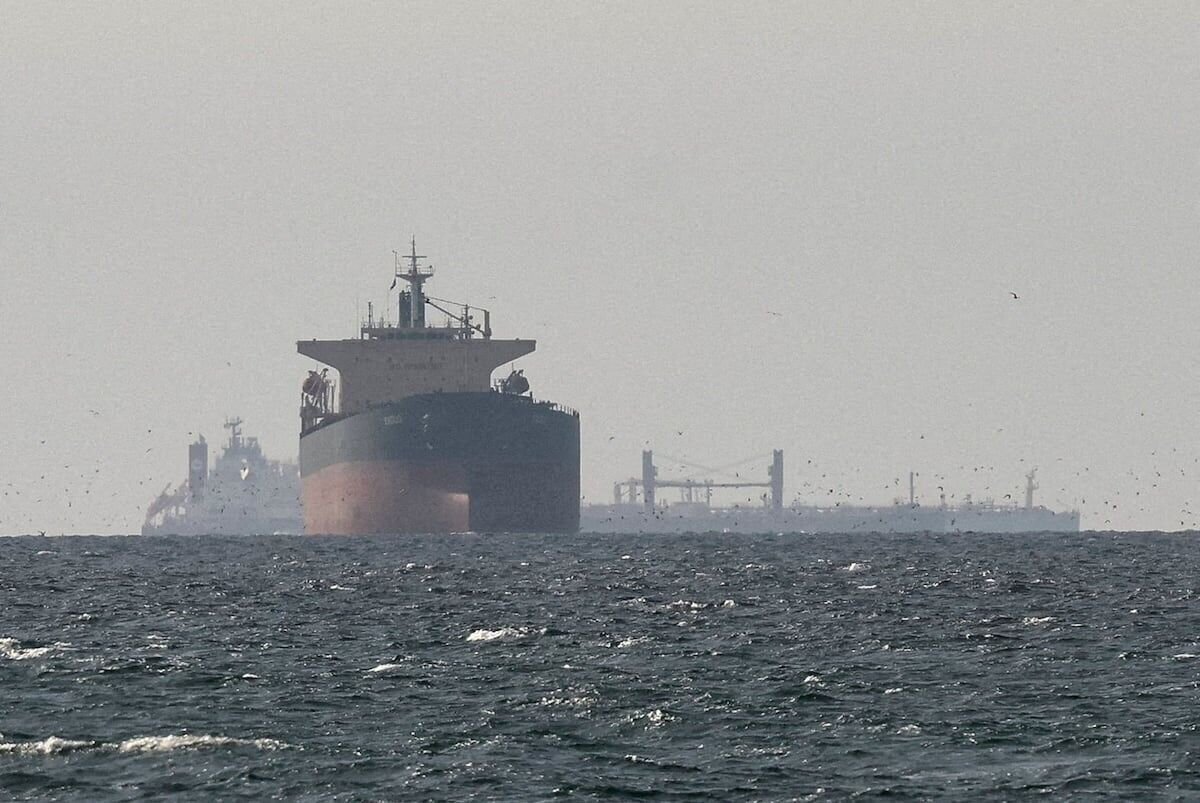
Despite US tariffs and the lingering scars of Covid-19 and the Ukraine war, many developing economies had shown surprising strength thanks to timely reforms and prudent policies. However, the closure of the Strait of Hormuz—through which a third of the world’s seaborne trade in food and fertiliser passes—has shattered that progress.
The triple blow works in three devastating ways. First, net energy importers from Ethiopia to Tuvalu face fuel shortages as they struggle to compete for tightening oil and gas supplies. Second, disruptions to food and fertiliser shipments increase the risk of malnutrition, especially in countries already hit by climate shocks. The UN warns that if the conflict lasts until June, an additional 45 million people could face acute hunger. Third, over $100 billion in annual remittances from Persian Gulf foreign workers is at risk, hitting South Asian nations, Egypt, and the Philippines particularly hard.
Developing nations pay the price for Strait of Hormuz closure
The IMF has already cut growth projections for emerging economies by 0.3 percentage points this year while leaving advanced economies unchanged.
Even if the war stopped tomorrow, the UN estimates that more than 30 million people would still be pushed back into poverty by its effects so far.
With over a third of sub-Saharan countries already in or at high risk of debt distress, and foreign aid from richer nations shrinking, developing countries have little fiscal room to help their hungry citizens.
Richer nations, focused on their own domestic support and securing fossil fuel shipments, have so far failed to act.
The FT argues that the IMF and World Bank must provide liquidity support and urge against export bans on food and fertilizers.
A protected corridor through the strait, similar to the UN arrangement in the Black Sea, could offer relief—but little progress has been made.
Ultimately, only a swift ceasefire and the reopening of the strait can prevent widespread suffering. Otherwise, as the report warns, the global costs of this conflict will continue to fall hardest on those least able to bear them.
Leave a Comment